
We spend all day outside, we worry about the rain. But what about the sun? Sun protection for outdoor workers is something we don't talk about enough in the UK. We don't get Australian summers, but the UV index still hits moderate or high levels between April and September. And if you work outside day in, day out, that adds up.
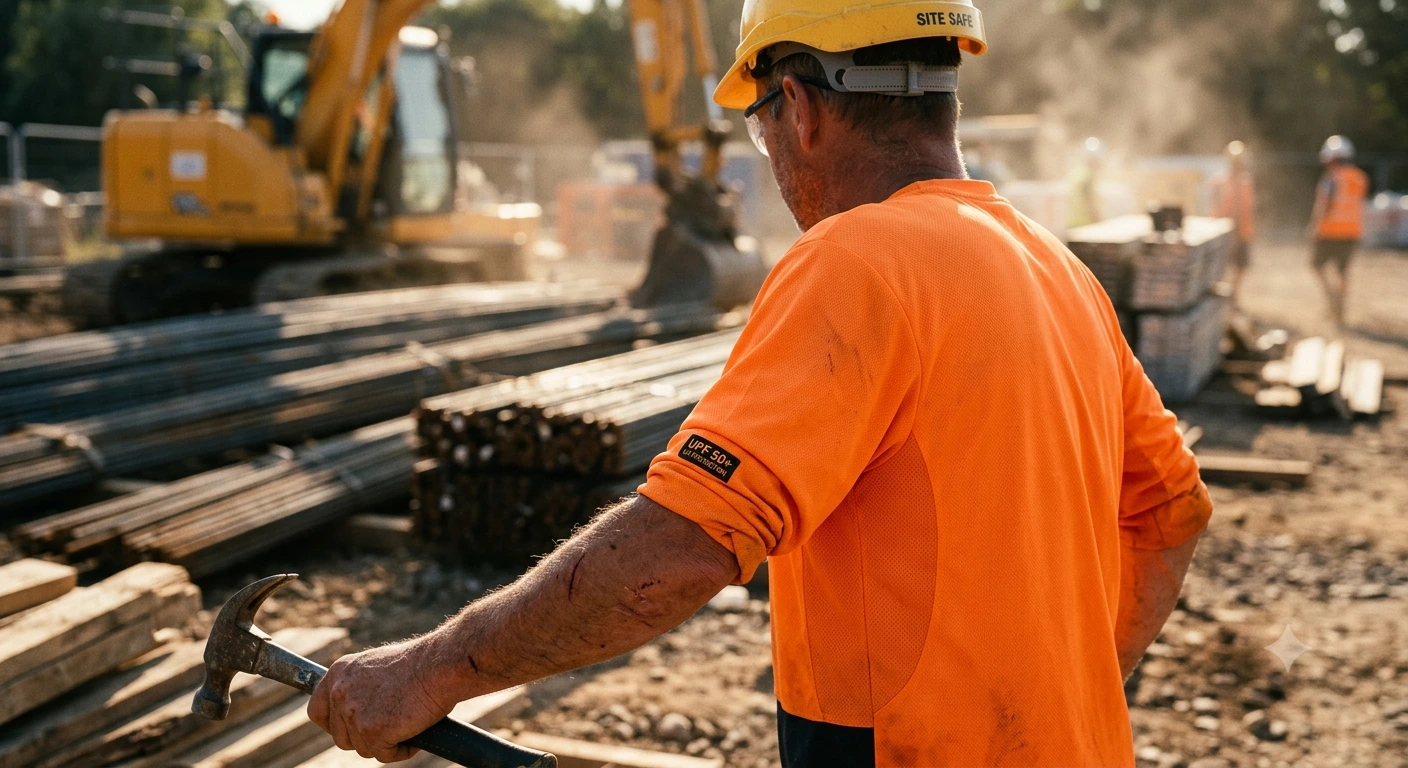
You know about SPF in sunscreen. But there's another rating that matters more for clothing: UPF.
What Is UPF?
UPF stands for Ultraviolet Protection Factor. It measures how much UV radiation gets through a fabric to your skin. Where SPF (Sun Protection Factor) measures how long sunscreen protects you, UPF measures what percentage of UV rays a fabric blocks.
Here's how the ratings work:
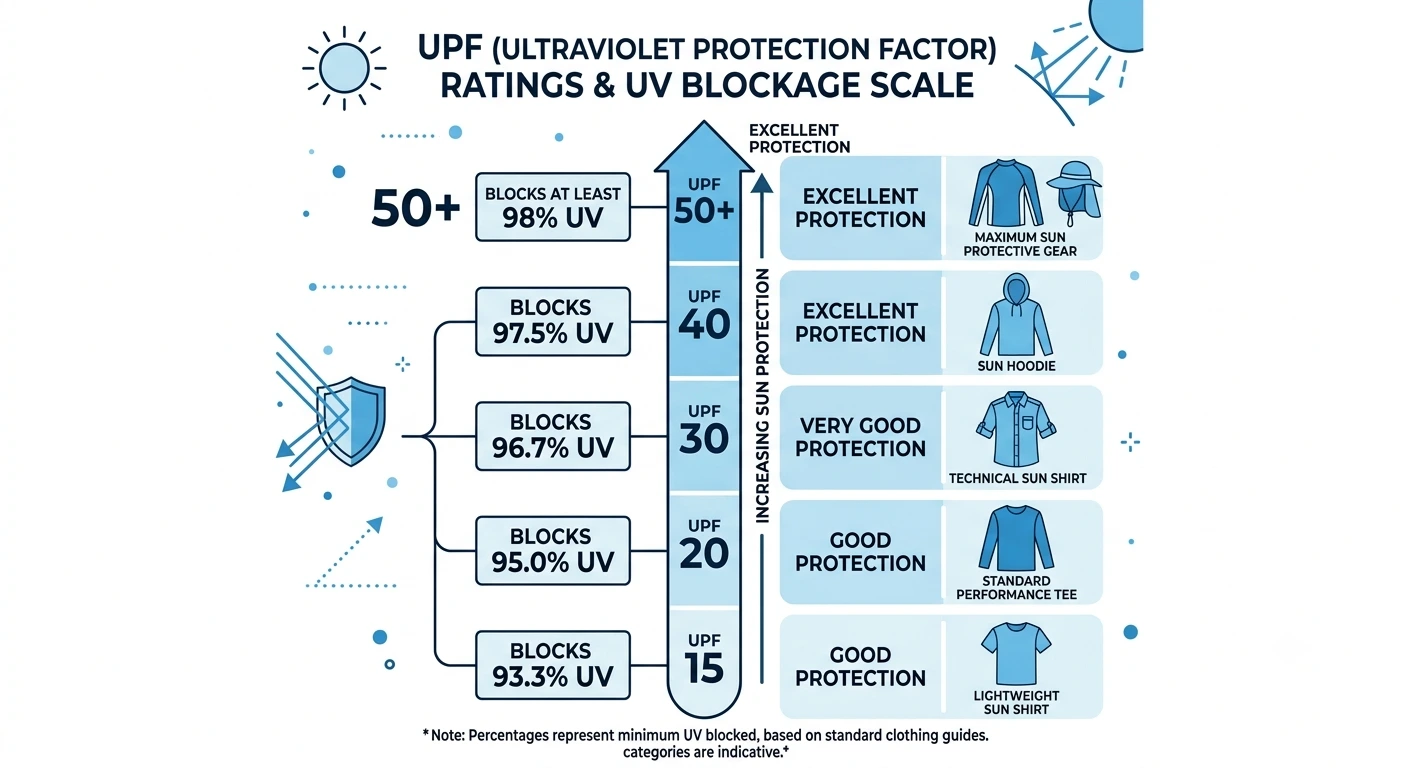
UPF 15-24: Good protection. Blocks 93-96% of UV radiation.
UPF 25-39: Very good protection. Blocks 96-97.5%.
UPF 40-50+: Excellent protection. Blocks 97.5-98% or more.
A garment rated UPF 50 lets through just 1 out of every 50 UV rays. That's 98% blocked. The plus sign in UPF 50+ means the fabric outperforms what the test can reliably measure.
UPF Is Not the Same as SPF
People mix these up all the time. SPF is for sunscreen, tested on skin. UPF is for fabric, tested on a textile sample in a lab. A sunscreen with SPF 30 protects against about 97% of UVB rays. A fabric with UPF 30 blocks about 96.7% of UV. The numbers look similar, but the mechanism is different.
Sunscreen rubs off, washes off, sweats off and needs reapplying every two hours. Fabric doesn't. A UPF-rated garment gives you consistent protection for as long as you're wearing it, no top-ups needed.
That's why UPF-rated workwear matters. You put it on once in the morning and you're covered all shift.
What Affects UPF in Clothing?
Not all fabrics are equal when it comes to UV protection. Here's what makes a difference:
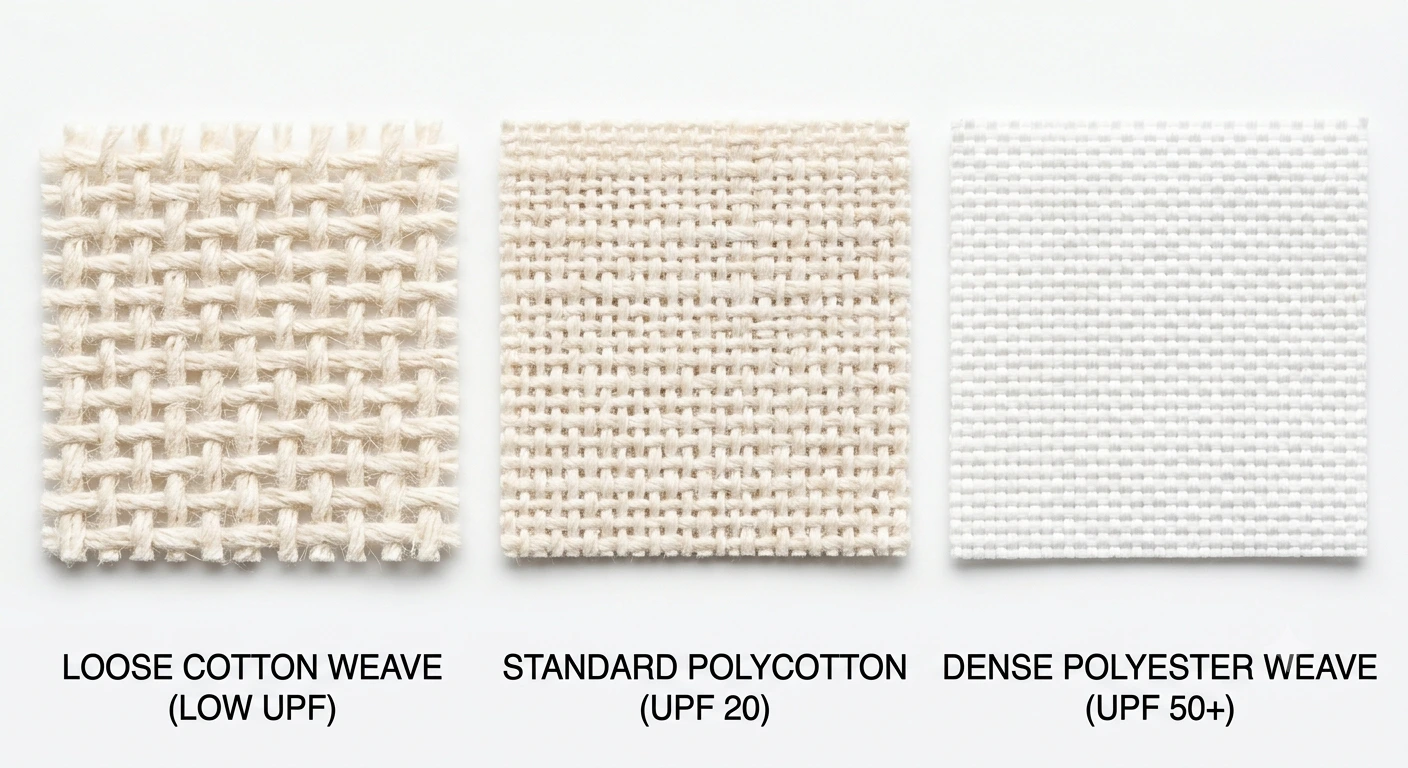
Weave density. The tighter the weave, the less UV gets through. A lightweight polyester mesh might have poor UPF, while a densely woven cotton drill could test much higher. That's why you can't guess UPF from how a fabric feels or looks.
Colour. Darker colours absorb more UV radiation before it reaches your skin. A navy polo will generally have a higher UPF than the same polo in white. But colour alone isn't enough to guarantee protection.
Fabric type. Polyester and nylon naturally absorb more UV radiation than cotton or rayon. That's because the polymer structure in synthetic fibres acts as a UV absorber. Some fabrics are treated with special UV-absorbing chemicals during manufacturing to boost their rating.
Stretch. Here's a trap. When you stretch a fabric, the gaps between fibres get bigger, and UPF drops. That's important for close-fitting workwear or high-movement tasks. A stretched fabric can lose 50% or more of its rated protection.
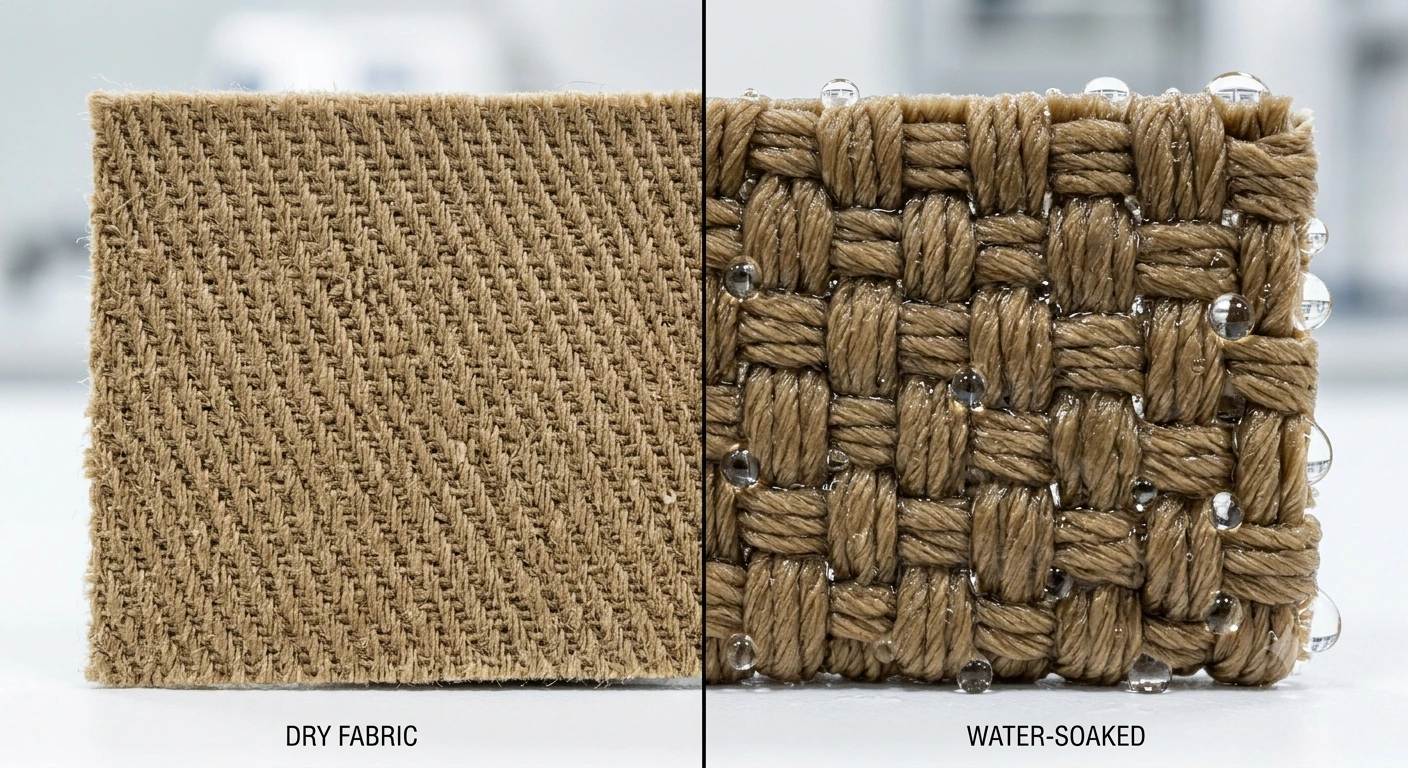
Moisture. Wet fabric lets through more UV. Some studies show UPF can drop by half when a garment is wet. If you work in damp conditions or sweat heavily, a UPF 50 garment might perform more like UPF 25 when wet.
Washing. This one's surprising. Multiple washes can actually improve UPF in cotton fabrics. The fibres shrink slightly, tightening the weave. But for treated fabrics, washing can gradually wash out the UV-absorbing chemicals, reducing protection over time.
The Standards You Need to Know
If you're buying UPF-rated workwear in the UK, here are the standards to look for:
EN 13758-1 is the European standard for UV protective clothing. It covers the test method for measuring UPF in textiles. A garment certified to this standard will have a label showing its UPF rating.
EN 13758-2 covers the labelling and requirements. It says how the garment must be marked and what information the label needs to include.
AS/NZS 4399 is the Australian and New Zealand standard. Australia takes sun protection seriously because their UV levels are brutal. This standard is often considered the gold standard for UPF testing because the test conditions are more demanding.
A garment that passes EN 13758-1 with a UPF of 40+ will typically also meet the requirements for AS/NZS 4399, but it's worth checking the label.
Does Your Workwear Already Have It?

Here's something most people don't realise. Many standard workwear fabrics already offer decent UV protection just because of the fabric weight and weave. A heavy cotton drill work shirt might have a natural UPF of 30 or more without any special treatment.
But you can't rely on that. The only way to know is to check the label. If the garment has been tested, it will carry a UPF rating on the swing tag or care label. If it doesn't, assume minimal protection.
For outdoor workers in construction, agriculture, landscaping, highways, forestry or any role that means hours in the sun, UPF-rated clothing is worth considering. It's not a replacement for sunscreen on exposed skin. But it's a lot more reliable than hoping your standard work shirt will do the job.
At Colbrook, we stock a range of UPF-rated workwear options. If you're not sure what you need, give us a call on 01236 755544 or drop us an enquiry through the website. We'll help you find the right gear for the job.
