
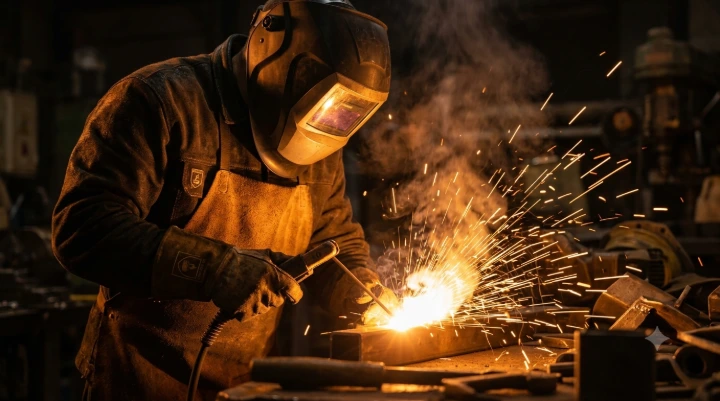
Welding produces some of the most intense hazards in any workplace. Molten metal spatter flying at temperatures over 1,500°C, ultraviolet and infrared radiation that can burn skin like sunburn on steroids, and the constant risk of ignition from hot slag. Your standard cotton overalls won't cut it — and that's not opinion, it's the law.
The standard for welding protective clothing is BS EN ISO 11611:2015 (replacing EN 470-1). It specifies the performance requirements for garments designed to protect welders against small molten metal splashes, brief contact with flame, and ultraviolet radiation. If you employ welders, this is the standard their clothing needs to meet.
Class 1 vs Class 2: What's the Difference?
EN ISO 11611 splits protective clothing into two classes based on the level of hazard. Class 1 is for lower-risk welding operations with reduced spatter and radiant heat. Think light manual welding, TIG welding, or tasks where the welder can maintain a reasonable distance from the arc.
Class 2 is for higher-risk operations. More spatter, higher radiant heat, and closer proximity to the arc. Heavy MMA (manual metal arc) welding, oxy-fuel cutting, and plasma cutting typically require Class 2. The difference isn't in materials alone — Class 2 garments undergo more stringent testing for spatter resistance and heat transmission.
Both classes meet minimum requirements for flame spread resistance and design integrity. The choice depends on your risk assessment of the specific welding process being used.
Key Testing Requirements
To carry the EN ISO 11611 mark, welding clothing must pass four core tests. Each one assesses a specific aspect of protection relevant to real welding conditions.
Limited flame spread. The material must self-extinguish when exposed to a small flame. It shouldn't continue burning, melt, or drip flaming particles. This is tested to EN ISO 15025, the same method used for other protective clothing standards.
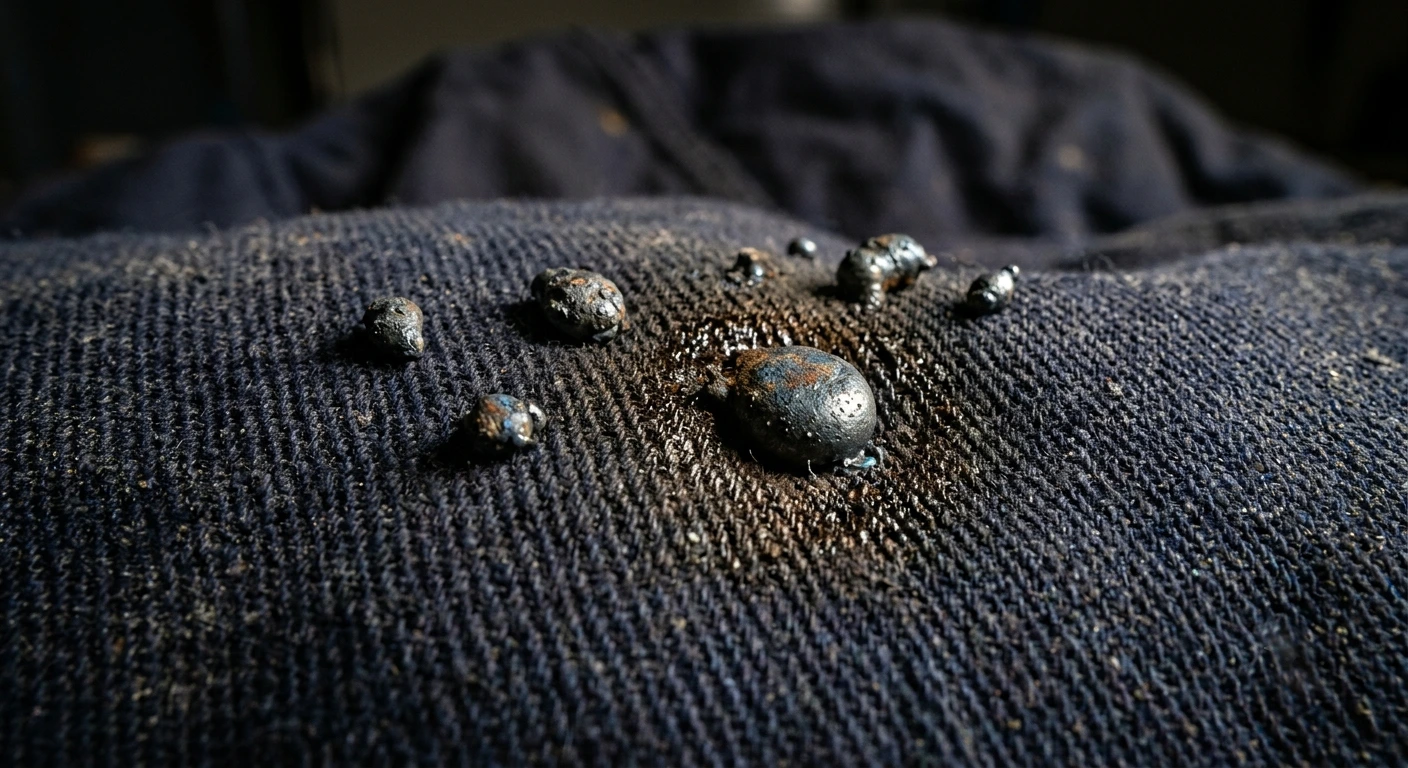
Molten metal splash resistance. This is the big one for welders. A measured quantity of molten metal (typically 15g for Class 2) is dropped onto the fabric at a specific angle. The material must not allow the metal to penetrate through to the inside. More droplets survive the test for higher class ratings.
Heat transmission. The fabric must limit how much radiant heat passes through to the wearer. A heat source is applied, and sensors measure the temperature rise on the inside surface. Class 2 requires a higher threshold (longer time to reach a given temperature rise) than Class 1.
Resistance to spatter from MMA welding. A real welding arc generates spatter. The test reproduces this by exposing the fabric to an actual MMA welding operation. Garments are inspected for holes, melting, or ignition after exposure.
Materials and Construction
Most EN ISO 11611 compliant garments use flame retardant cotton or cotton blends. 100% cotton treated with an FR finish is common, as are cotton-polyamide blends that offer a balance of protection and durability. Wool and aramid blends (like those used in foundry work) also appear in higher-end welding jackets.
The construction matters just as much as the material. External pockets must have flaps or be designed so molten metal can't pool in them. Cuffs should close securely — no wide openings that let spatter reach the forearms. Seams need to be stitched with FR thread, because a regular polyester thread will melt and leave gaps in the protection.
Buttons and zips must be covered or made from non-metallic materials. A bare metal zip can conduct heat and burn the wearer. It's small details like these that separate proper welding PPE from a standard work jacket that happens to be flame retardant.
What to Look For When Buying
When you're selecting welding PPE for your team, check the pictogram on the label. EN ISO 11611 uses a specific pictogram that shows a welding mask with a spark. The class (1 or 2) is marked alongside it.
The label should also show the specific test conditions the garment passed. Look for the EN ISO 11611:2015 reference, not an older withdrawn standard. Some older stock might still reference EN 470-1 — it's not valid for new CE/UKCA certification.
Think about the full welding environment. A welding jacket pairs with leather gauntlet gloves (EN 12477), a welding helmet with appropriate shade filter (EN 175/EN 379), and safety boots with metatarsal protection. Each piece of the PPE puzzle links to the next.
Don't overlook comfort. A welder who's too hot or restricted will start rolling up sleeves or unbuttoning collars that should stay closed. Good welding clothing breathes where possible, fits properly, and uses ergonomic patterning in the arms and shoulders.
Care and Maintenance
Flame retardant properties degrade with improper washing. Never use fabric softener on FR-treated welding clothing — it coats the fibres and reduces their protective performance. Wash at 60°C maximum, avoid bleach, and air dry or tumble dry on low heat.
Inspect garments regularly for holes, burns, or degraded fabric. A single weld spatter burn-through is a failure point. If you can see the skin through a hole, the garment needs replacing. Most manufacturers recommend replacing FR garments after 25-50 washes depending on the fabric and conditions.
Store welding clothing away from direct sunlight and harsh chemicals. UV light degrades FR treatments over time, and chemical contamination (oil, grease, solvents) can accelerate fabric deterioration or increase flammability.
At Colbrook, we stock a range of EN ISO 11611 compliant welding jackets, trousers, and coveralls from Portwest and other leading manufacturers. Every garment is certified and carries clear labelling so you know exactly what protection it provides.
Browse our full range of flame resistant and welding workwear or call us on +44(0)1236 755544 for expert advice on the right welding protection for your team.
REF: EN-11611-WELDING